Tea drinkers in Rwanda already know something wine lovers have said for centuries: the right pairing changes everything. A cup that tastes pleasant on its own can taste extraordinary next to the right plate of food, and disappointing next to the wrong one. Because Rwanda Mountain Tea grows across eight distinct highland gardens, each with its own altitude, soil, and processing style, the company’s teas aren’t a single flavor. They’re a range, and that range is exactly what makes food pairing worth doing properly.
Why Garden Mark Matters More Than “Black” or “Green”
Most pairing advice online treats tea as one of two categories: black or green. That’s a reasonable starting point, but it misses the detail that actually matters for Rwandan tea. As explained in the science behind Rwanda’s award-winning teas, each of RMT’s gardens produces a genuinely different cup. Kitabi leans toward malt and honey. Rubaya is floral and bright. Rutsiro comes out sweet with a coppery infusion. Gisakura, RMT’s green tea garden, stays grassy and vegetal. Pairing by garden, rather than by broad category, is simply more accurate : and more useful in an actual kitchen.
The general logic tea sommeliers use still applies: match intensity with intensity, and either complement a dish’s flavor or deliberately contrast it. A recent guide from Twinings makes the same point : robust black teas can carry rich, fatty foods, while delicate teas need a lighter hand or they get lost. Rwanda’s gardens map onto that principle almost perfectly.
The Bold, Malty Marks: Breakfast and Roasted Food
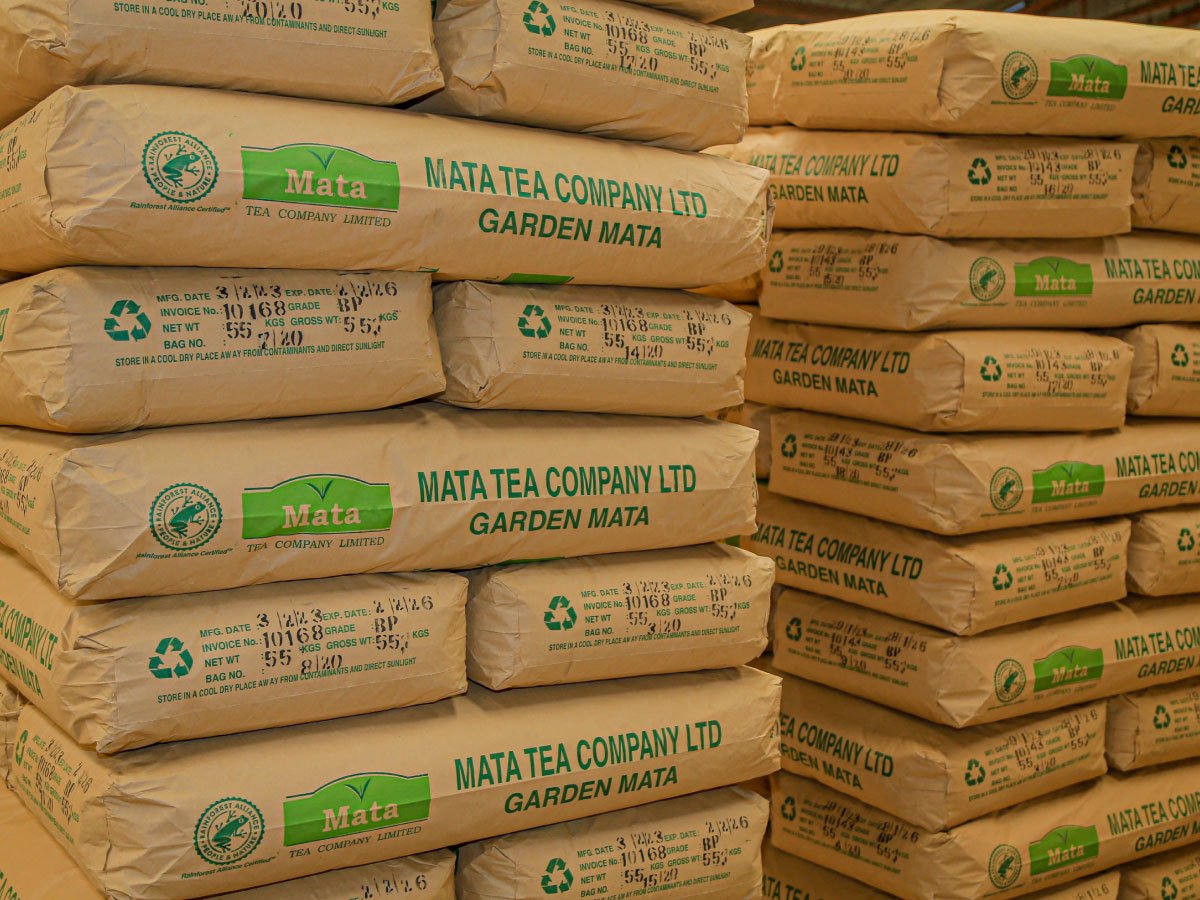
Kitabi tea, with its honeyed maltiness, is built for breakfast : try it with sweet potato, plantain, or eggs, the way many Rwandan households already serve tea in the morning. Mata, known for balanced astringency, does well with grilled meat: brochettes, Rwanda’s ubiquitous skewered beef or goat, are a natural match, since the tea’s slight dryness cuts through the fat. Nshili Kivu, with its pronounced fruity notes, pairs nicely with anything involving ripe banana or mango, common additions to East African desserts and porridges.
The Floral and Bright Marks: Lighter Dishes
Rubaya tea’s floral brightness suits fresh, simple food : a vegetable salad, grilled fish, or steamed sweet potato, where a heavier tea would overpower the plate. Nyabihu, prized for its depth and complexity, has enough body to stand next to slightly richer dishes like a peanut-based sauce (ubunyobwa), a staple at Rwandan lunch buffets, without disappearing into it. Rutsiro organic tea, sweet and coppery, works well alongside fruit plates or lightly sweetened pastries, since its natural sweetness echoes rather than fights the food.
The Green Tea Mark: Gisakura
Gisakura is RMT’s green tea garden, and its sweet, vegetal character behaves the way most green teas do at the table: it favors light, fresh food over anything heavy. Steamed vegetables, fish, or a simple rice dish let Gisakura’s subtlety come through instead of getting buried, the same principle that makes green tea a classic match for fish and vegetable-forward meals worldwide.
Gatare: The All-Rounder
Gatare, grown organically with a distinctive terroir, sits comfortably in the middle of the range. It’s flexible enough to serve with everyday meals : beans, cassava, or a simple vegetable stew, without needing a special occasion to justify it.
A Simple Rule to Take Away
If there’s one rule worth remembering, it’s this: let the tea’s weight guide the plate. Light, floral, or green teas belong with light food. Bold, malty, or fruity teas can handle richer, heavier dishes. From there, it’s mostly a matter of taste and with eight gardens to choose from, there’s room to experiment for a long time before running out of new combinations.
For anyone who wants to go further than pairing suggestions, RMT’s free recipe ebook includes twenty recipes built specifically around these garden marks, a natural next step for readers who enjoyed this guide.