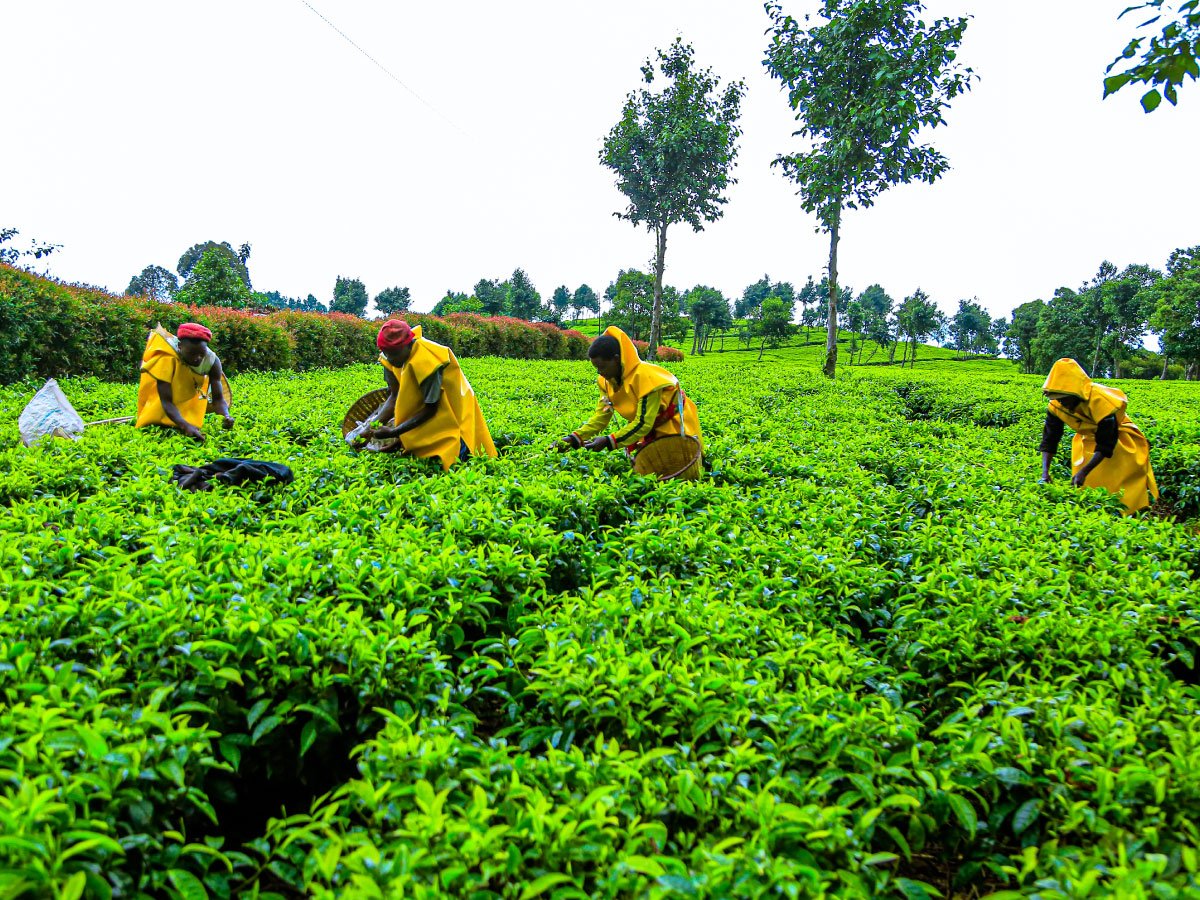
The Gulf Cooperation Council is not where most people in the tea industry focus their attention. But the GCC : Saudi Arabia, the UAE, Qatar, Kuwait, Bahrain, and Oman, is one of the most consistently growing premium tea import markets in the world, and it has specific requirements that Rwanda Mountain Tea is well-positioned to meet.
This article is written for Gulf-based importers, HORECA procurement managers, and specialty retail buyers who are exploring East African origin teas for the first time or looking to diversify beyond Sri Lankan and Indian supply chains.
Tea in the Gulf: A Market That’s Bigger Than It Looks
Tea culture in the Gulf is deep-rooted and diverse. The influence is multilayered: British colonial-era black tea culture in the HORECA sector, South Asian diaspora communities with strong preferences for specific Sri Lankan and Indian grades, a growing wellness and specialty retail segment tracking global trends, and the indigenous karak and chai tradition embedded in Gulf hospitality culture at every level.
Saudi Arabia and the UAE are both top-30 global tea importers by value. Unlike many mature Western markets, the GCC is still growing : urbanisation, tourism infrastructure expansion, and a young, increasingly internationally-connected population are all driving demand for premium and differentiated products.
The Halal Requirement
For any food or beverage product entering GCC markets at scale, halal compliance is effectively mandatory for mainstream retail and HORECA distribution. This is the baseline expectation, not a niche request.
For tea, the halal question is often misunderstood by non-Gulf buyers. Pure tea: unblended, unflavoured loose-leaf or fannings, is inherently halal: it is a plant product with no additives. The question becomes relevant at the processing stage and when flavourings, blends, or additives are involved.
Rwanda Mountain Tea’s pure black and green teas are single-origin leaf with no additives or flavourings. Flavoured and herbal lines are separate products and should be specified as such. Buyers who require formal halal certification documentation, typically required for labelling in Saudi Arabia and increasingly in UAE retail chains, should raise this at the enquiry stage so documentation requirements can be confirmed before order.
Why Rwanda Specifically for Gulf Buyers
Origin novelty and shelf differentiation
Rwanda has a strong, coherent brand narrative : “Land of a Thousand Hills,” post-conflict development success, sustainable highland agriculture, that resonates with premium consumers globally. For a specialty retailer or high-end HORECA buyer, “Rwanda Mountain Tea” on the label carries a story that “Ceylon BOP” does not.
Direct supply chain without auction intermediaries
Gulf buyers sourcing through the Mombasa auction are inheriting a supply chain with limited traceability. Rwanda Mountain Tea sources directly from identified gardens in Rwanda’s Western and Southern Provinces. For a Gulf buyer whose customers ask about provenance, this is a meaningful structural difference. See the related article on Mombasa auction vs direct trade.
Cup profile suited to Gulf palates
Rwanda’s high-altitude black teas produce a bright, clean, moderately-astringent cup with good colour and natural sweetness. This profile is compatible with the karak and chai tradition, the tea holds up well with milk and spice without becoming bitter or muddy.
Export documentation aligned with GCC import requirements
Rwanda’s agricultural export authority (NAEB) issues certificates of origin for tea exports, and RALIS (Rwanda Agriculture and Livestock Inspection and Certification Services) issues phytosanitary certificates. The International Tea Committee (intlteacommittee.org) includes Rwanda in its global production statistics, useful context for buyers who need to satisfy a compliance team’s sourcing criteria.
The GCC Market Segment by Segment
UAE (Dubai and Abu Dhabi)
The UAE is Rwanda’s most accessible GCC entry point. Dubai’s position as a re-export hub means a UAE-based importer can potentially service the wider GCC from a single receiving location. The specialty retail sector in Dubai is actively seeking differentiated origins. Corporate gifting is also a significant market, see our corporate tea gift procurement guide.
Saudi Arabia
Saudi Arabia is the GCC’s largest tea consumer by volume. The premium segment is smaller but growing, driven by Vision 2030’s hospitality and tourism expansion. Formal halal certification documentation is more strictly required in Saudi Arabia than in other GCC markets.
Qatar, Kuwait, Bahrain, Oman
Qatar’s HORECA sector, serving a large expatriate professional community and significant luxury hospitality infrastructure, is an active buyer of premium food and beverage products. Kuwait, Bahrain, and Oman are smaller markets but offer lower regulatory complexity. A distributor already operating in the UAE or Saudi Arabia often covers these markets as part of a GCC distribution agreement.
How to Approach the Gulf Market
For Gulf buyers, the practical starting point is the commercial enquiry page. Specify your country of operation and distribution territory, whether you are importing for retail, HORECA, or B2B gifting, volume requirements, whether formal halal certification documentation is required, and your preferred grade profile.
The full grade range is available in our tea grades guide. For Gulf buyers interested in private label, see Private Label Tea from Rwanda.
Logistics Notes
Rwanda exports via two main routes relevant to Gulf buyers: air freight via Kigali International Airport (KGL) for smaller or urgent orders; sea freight via Mombasa for container-load orders, with transit time to Jebel Ali (Dubai) approximately 12–15 days from Mombasa.
Standard export documents for an international shipment include the Certificate of Origin, Phytosanitary Certificate, Commercial Invoice, and Packing List. Any additional documents your market requires, such as halal certification or food safety analysis, should be specified at the enquiry stage.
Frequently Asked Questions
Is Rwanda Mountain Tea halal-certified?
Rwanda Mountain Tea’s pure black and green teas are single-origin leaf with no additives. If your market requires formal halal certification documentation, specify it at the enquiry stage so it can be confirmed before order.
What grades are best suited for the Gulf market?
For HORECA chai and karak applications: CTC grades such as BP1 and PF1. For specialty retail and premium gifting: orthodox grades from Rutsiro Organic : BOP1, OP, or FBOP with its golden tips. See our tea grades guide for cup profiles in detail.
Can Rwanda Mountain Tea supply a Gulf distributor with exclusive territory rights?
Exclusivity arrangements are discussed on a case-by-case basis for distributors committing to defined annual volumes. Raise this at the enquiry stage.
What is the minimum order for a Gulf import order?
Minimum order quantities depend on grade, packaging and destination. Share your expected volumes at the enquiry stage to receive the applicable terms.
Is there a Gulf distributor currently active for Rwanda Mountain Tea?
The Gulf market is an area of active development. Contact the team via the commercial enquiry page to discuss distribution partnership opportunities.