Q4 is the most competitive season for corporate gifting and the most consequential. The product you send to a partner,...
Follow us on social medias

Tea Production & Quality
Q4 is the most competitive season for corporate gifting and the most consequential. The product you send to a partner,...

Why Leadership Is Proven Long Before the Judges Score a Cup This September, the tea world converges on Nairobi for the...

The specialty tea market has never been more open to new entrants. Consumers in the UK, Germany, the US, Singapore,...

The corporate gift problem is consistent across industries and cultures: it needs to feel considered, not generic. It...

Something shifted in August 2026. The data made it unmistakable. In a single month, Singapore went from being the...

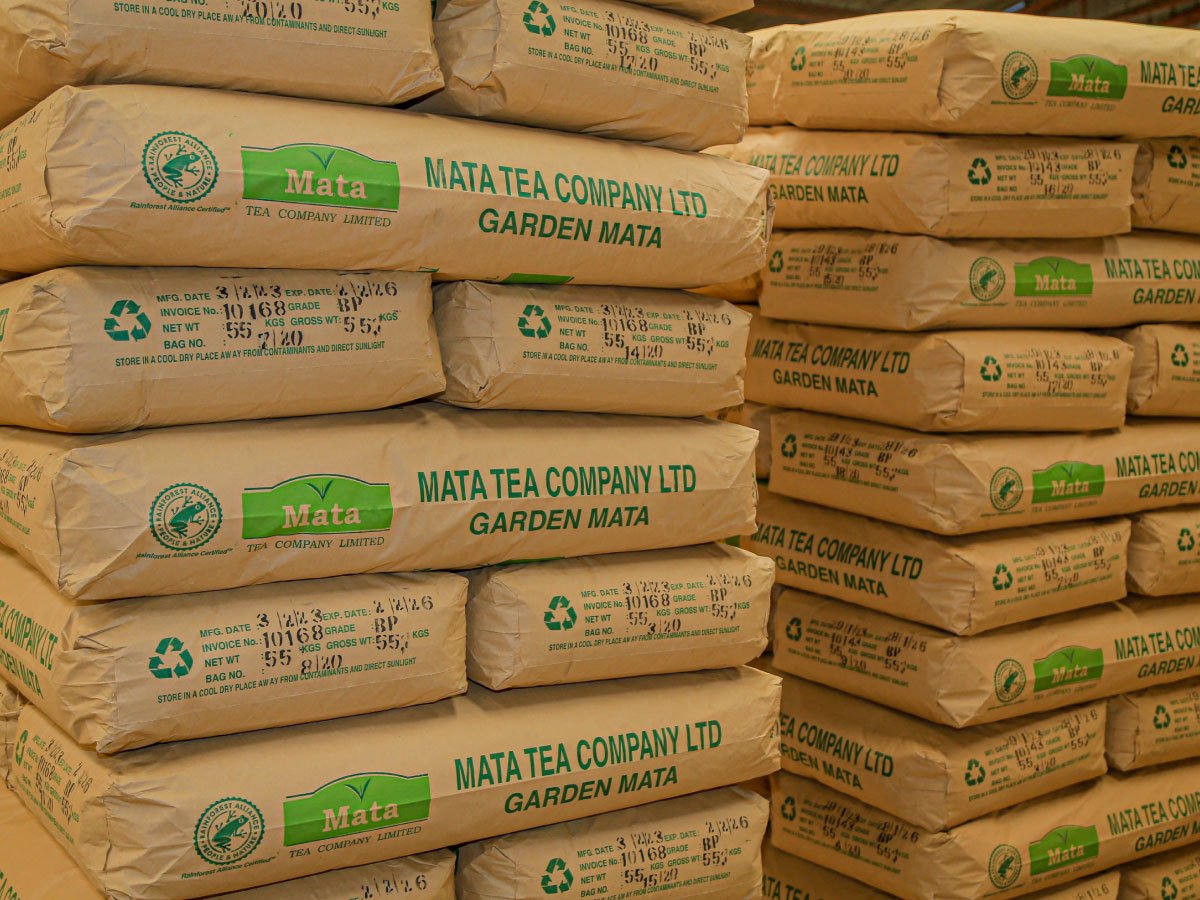
Every week at the Mombasa Tea Auction, Rwanda Mountain Tea's lots are listed by grade : BP1, PF1, BOP1, D1, FBOP. For...
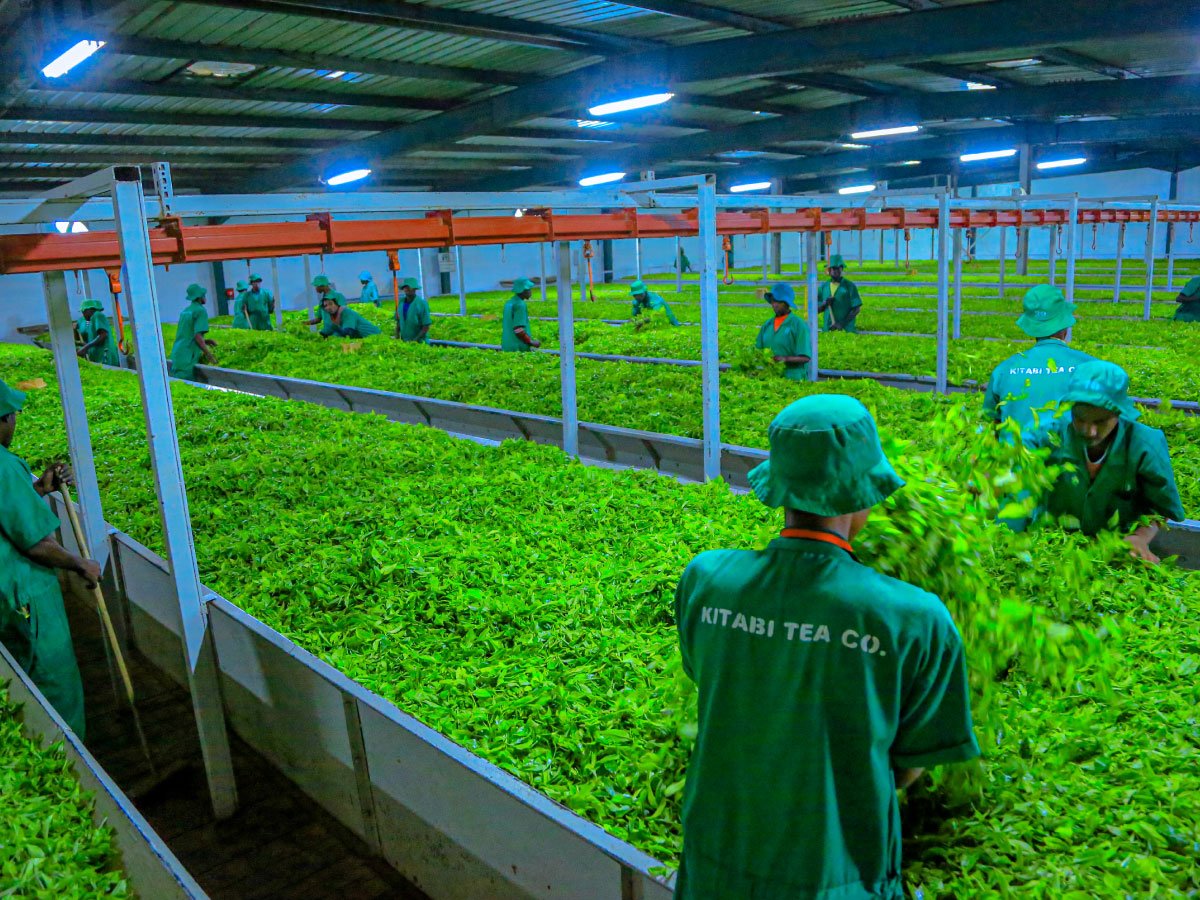
You already know RMT's eight garden marks taste different from one another, we covered why in our buyer's guide to the...

Tea drinkers in Rwanda already know something wine lovers have said for centuries: the right pairing changes...

Quick answer: RMT Group produces tea from eight distinct garden marks across Rwanda : Kitabi, Rubaya, Nyabihu, Gatare,...

If you're new to sourcing African tea, the Mombasa Auction can look opaque from the outside: brokers, lot numbers,...

If you've ever looked at a tea invoice and seen codes like BP1, PF1, or D1 and wondered what you were actually buying,...
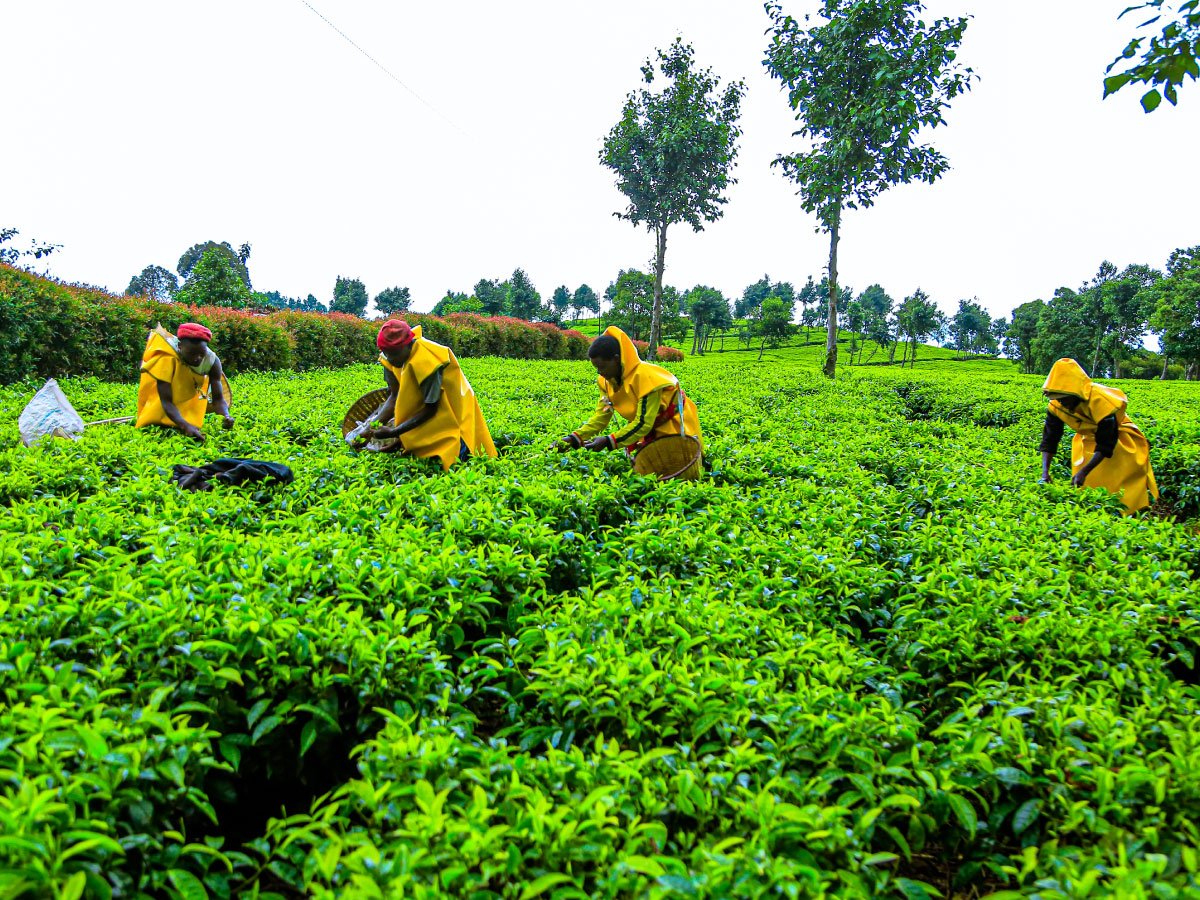
There is a moment, somewhere on the road between Butare and Rusizi, when Rwanda does something unexpected. The hills...

Rwanda’s tea gardens sit between 1,900 and 2,800 metres above sea level. Discover the science behind why that altitude and the slow growth it creates, gives Rwandan tea its distinctive brightness, complexity, and depth.

QUICK ANSWER Rwandan tea averaged $3.24 per kilogram at the 2025 Mombasa Tea Auction, the highest of any origin on the...

If you have browsed our garden mark pages and seen grade names like BP1, BOP, or Orthodox scattered across the...
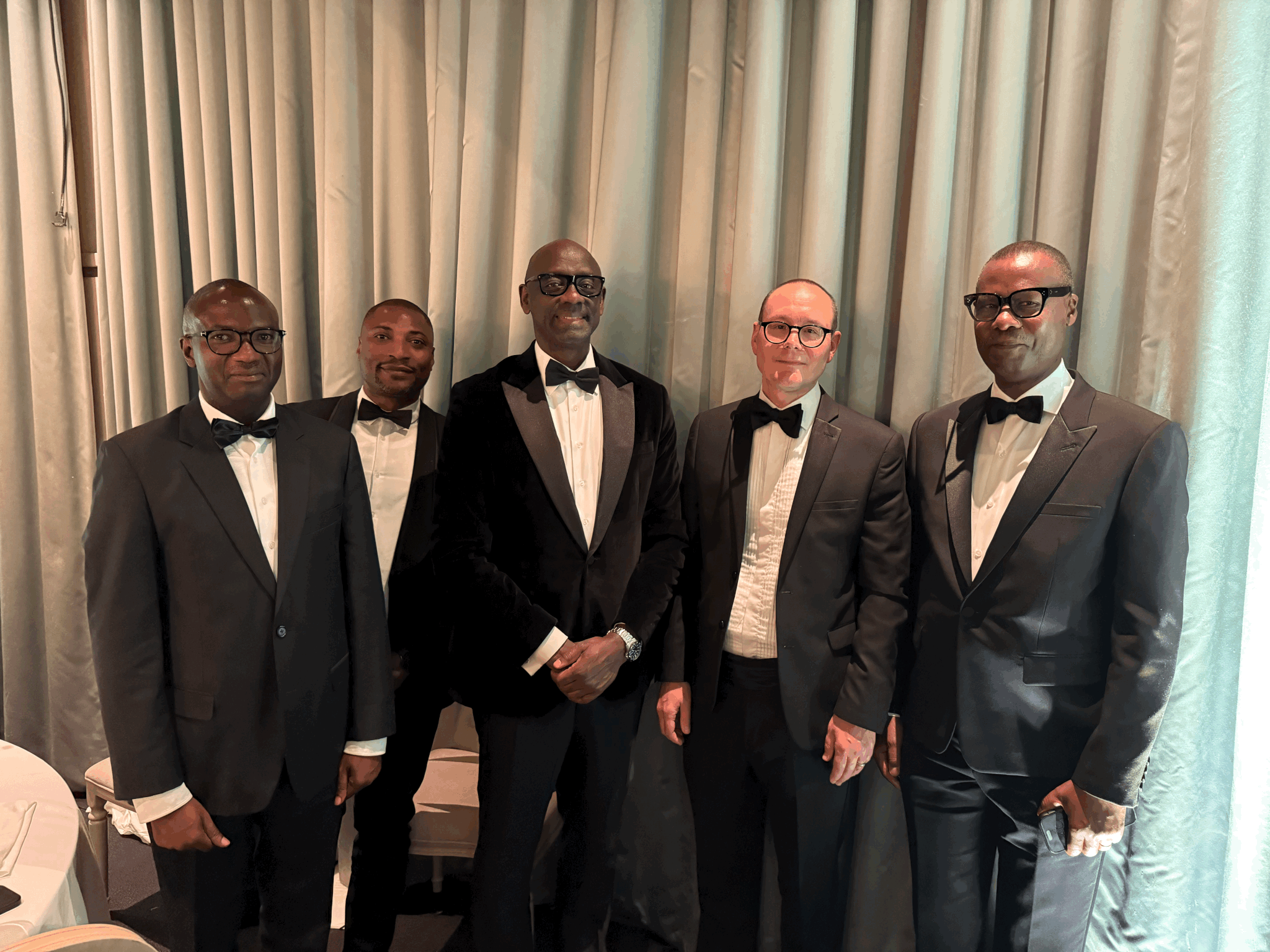
In early May 2026, Rwanda Mountain Tea (RMT) was at the Savoy Hotel in London for the annual Tea Trade Dinner one of...

The Unique Geography of Rwanda Rwanda's distinctive geography plays a critical role in shaping the characteristics of...
Introduction: Where Tea and Forest Meet There are tea gardens, and then there is Gisakura. Nestled in the Bushekeri...

Rwanda's tea grows between 1,500 and 2,500 metres above sea level. This extreme altitude isn't just a marketing claim...

Introduction to Rwandan White Tea Rwandan white tea is an exquisite variety of tea known for its delicate taste and...