Quick answer:
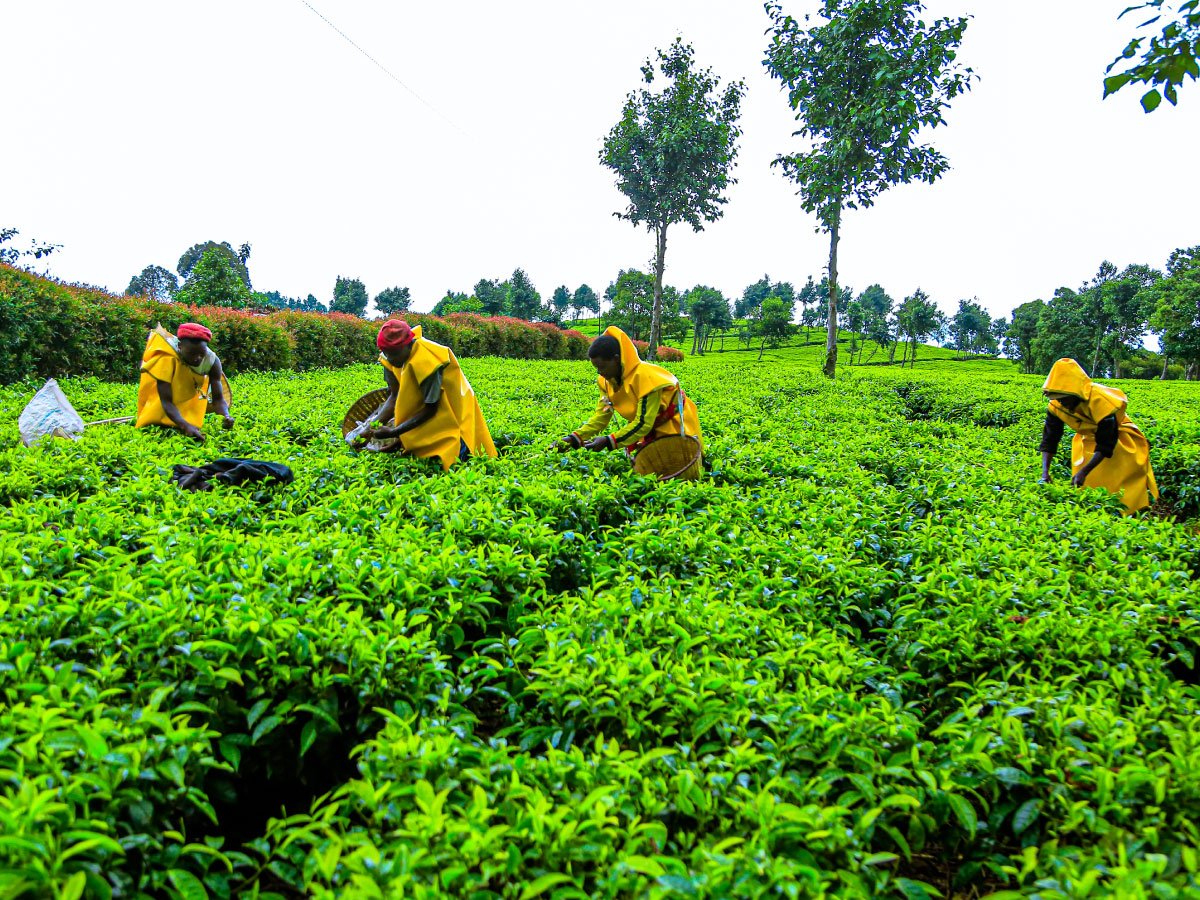
RMT Group produces tea from eight distinct garden marks across Rwanda : Kitabi, Rubaya, Nyabihu, Gatare, Rutsiro, Mata, Nshili-Kivu, and Gisakura, each shaped by a different altitude, soil, and microclimate, spread across roughly 9,646 hectares. Choosing the right mark depends on the flavor profile and grade you’re sourcing for.
Not all Rwandan tea tastes the same, even within a single company. RMT’s eight garden marks each carry a distinct character, and knowing the difference helps you specify exactly what you want instead of ordering “Rwandan tea” as if it were one thing.
Why the marks taste different
Every RMT garden grows the same plant, Camellia sinensis, but altitude, rainfall, and soil shift the chemistry of the leaf. Slower growth at higher elevation concentrates the polyphenols and aromatic compounds that give tea its brightness and depth, a relationship we unpack in why altitude makes Rwandan tea taste different. That’s the science behind why a Rubaya and a Gisakura, grown less than a hundred kilometres apart, can taste noticeably different in the cup.
The eight marks
Kitabi : Southern Province, on the northern edge of Nyungwe Forest at roughly 2,300 metres. Known for exceptional orthodox black teas with notes of malt and honey, and home to RMT’s award-winning BP1.
Rubaya : Northwestern Rwanda, produced by Rubaya-Nyabihu Tea Company. Recognized for distinctive floral notes and excellent brightness in the cup.
Nyabihu : Western Province, at around 2,300–2,400 metres near the Volcanoes region. Valued for remarkable complexity and depth of flavor.
Gatare : Nyamasheke District, Western Province. Specializes in organic production with a distinctive terroir influence.
Rutsiro : Western Province, between roughly 2,300 and 2,600 metres. RMT’s fully organic mark, certified under both EU (EOS) and US (NOP) organic standards, known for sweetness and bright copper infusions. Rutsiro was the tea RMT poured at the 2026 London Tea Trade Dinner in front of major international buyers.
Mata : Nyaruguru District, Southern Province. Known for balanced astringency and a rich, rounded flavor profile.
Nshili-Kivu : Nyaruguru District, Southern Province. Produces teas with pronounced fruity notes.
Gisakura : Nyamasheke District, on the edge of Nyungwe Forest at close to 1,950 metres. Specializes in green tea varieties with sweet, vegetal notes, and benefits from the humidity the forest generates.
For a closer look at what makes each of these gardens distinctive, from certifications to award history, see the secret behind Rwanda’s award-winning teas.
How to choose a mark
There’s no single “best” mark, the right one depends on what you’re building:
- Sourcing for a strong, brisk breakfast blend? Kitabi or Rubaya’s brightness and body are a natural fit.
- Need a certified-organic story for retail? Rutsiro is RMT’s only fully organic-certified mark, EU and US standards both covered.
- Building a green tea line? Gisakura is RMT’s specialist garden for green varieties.
- Looking for something distinctive for a specialty or single-origin offer? Nshili-Kivu’s fruit-forward profile and Mata’s balanced astringency stand out from the more classic East African cup.
Together, these eight gardens make RMT Group Rwanda’s largest and most geographically diverse tea producer, according to NAEB, Rwanda’s National Agricultural Export Development Board, which tracks the sector’s roughly 33,000 hectares of national tea land and its 19 operating factories.
Next step
If you want the full grade-by-grade, mark-by-mark breakdown before you commit to a container, our Buyer’s Guide to Rwandan Tea 2026 covers all eight marks alongside pricing and certification detail. Contact our sales team to request samples specified by mark and grade.