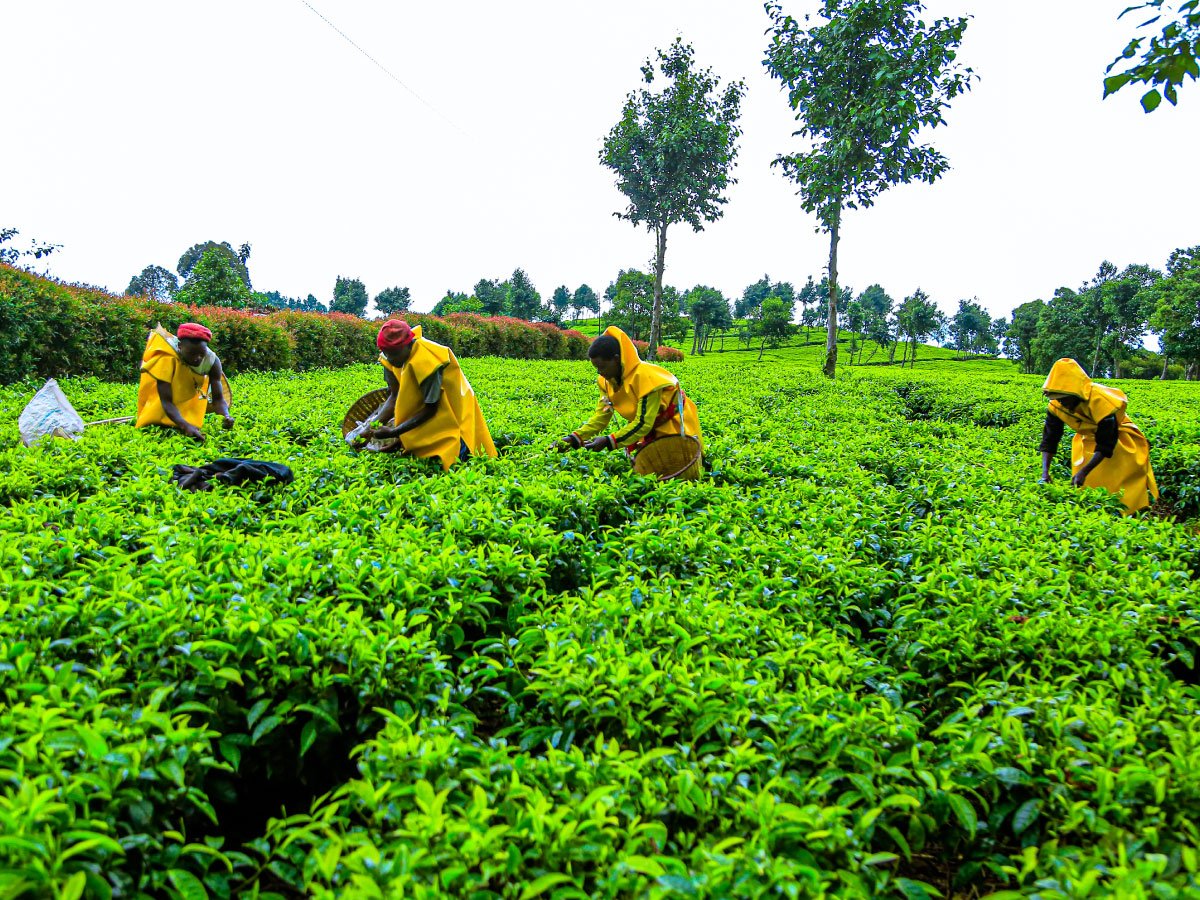
Quick answer: Rwanda Mountain Tea’s organic production comes from Rutsiro Organic, a garden in Rwanda’s Western Province at around 2,474 metres. It is ECOCERT and NOP (USDA organic) certified and produces both organic CTC and orthodox teas. Importing it as organic requires a certificate of inspection in TRACES for the EU, or a NOP Import Certificate for the US, issued for each shipment.
Demand for organic tea keeps growing in specialty retail, wellness brands and premium hospitality. For buyers, the question is not only where to find good organic tea, but how to bring it into their market with its organic status intact. This guide covers both.
Rutsiro Organic at a Glance
- Location: Rutsiro district, Western Province, overlooking the Lake Kivu region.
- Altitude: around 2,474 metres, among the higher gardens in the Rwanda Mountain Tea group.
- Certification: ECOCERT and NOP-certified organic.
- Production: organic CTC and orthodox teas. Rutsiro is the only Rwanda Mountain Tea garden producing orthodox grades.
You can compare Rutsiro with the other garden marks (region, altitude and tea style) on our Tea Garden page.
Which Organic Grades Suit Your Market?
Rutsiro covers two quite different buyer needs:
- Organic tea bags: CTC grades such as PF1 brew quickly with consistent colour and strength, the standard for tea bag production.
- Organic loose leaf and specialty: orthodox grades. OP is the benchmark whole-leaf grade, BOP1 gives more body and a faster brew, and FBOP adds visible golden tips for premium shelves and gifting.
For cup profiles and brew times, see our tea grades guide. For the processing difference, read CTC vs orthodox.
Why High-Grown Organic Matters
At altitude, cooler temperatures slow leaf growth, concentrating flavour in the leaf (read why altitude changes the cup). For organic tea, origin and altitude become part of the story on pack: a single, named, certified garden is easier to explain to a consumer than a multi-origin organic blend.
Importing Organic Tea into the EU
Under the EU organic rules (Regulation (EU) 2018/848), each organic consignment entering the EU needs an electronic certificate of inspection (e-COI) in the EU’s TRACES system. In practice:
- The exporter, importer and first consignee must all be registered in TRACES.
- The exporter’s organic control body endorses the e-COI before the goods leave the country of origin.
- The importer notifies the competent authority before arrival, usually at least one working day ahead.
- The competent authority checks the consignment and endorses the e-COI. The first consignee then confirms receipt.
The goods can only be sold as organic once these endorsements are complete. Agree with your supplier beforehand who creates the e-COI, so it isn’t duplicated. Your own organic certifier can confirm the details for your country.
Importing Organic Tea into the United States
Since 19 March 2024, every organic shipment entering the US needs a NOP Import Certificate. The exporter requests it from its organic certifier, which issues it in the USDA Organic Integrity Database. The US importer or customs broker then enters the certificate number in the customs (ACE) system so the shipment is linked to it.
Practical Tips for Organic Buyers
- Ask for the supplier’s current organic certificate and check that its scope covers the products you are buying.
- Plan the paperwork with the shipment, not after it: organic certificates are issued per consignment.
- Keep packaging and labelling consistent with the certificate (batch numbers, product names).
- If you sell under your own brand, see our private label programme.
Our sustainable tea buyer’s checklist covers the wider sustainability questions buyers ask. To request organic samples or availability, use our commercial enquiry page, specifying grades, volumes, destination and the organic standard you need.
Frequently Asked Questions
Is there certified organic tea in Rwanda?
Yes. Rutsiro Organic, part of Rwanda Mountain Tea, is ECOCERT and NOP-certified and produces organic CTC and orthodox teas.
What documents do I need to import organic tea into the EU?
Each consignment needs an electronic certificate of inspection (e-COI) in TRACES, endorsed by the exporter’s control body before departure and by the competent authority on arrival, alongside the usual export documents.
What do I need to import organic tea into the US?
A NOP Import Certificate for each shipment, issued by the exporter’s certifier in the USDA Organic Integrity Database and linked to the customs entry by the importer.
Which organic grade is best for loose-leaf retail?
Orthodox grades: OP as the benchmark whole leaf, BOP1 for more body, and FBOP for golden tips and premium presentation.
Can organic Rwandan tea be sold under my own brand?
Private label is available. For organic private label, raise your labelling requirements at the enquiry stage so certification and packaging can be aligned.