Quick answer: Importing tea from Rwanda follows six steps: choose your grade and format, pick your buying channel, request samples and agree a specification, confirm the export documents your market requires, book freight by air from Kigali or by sea via Mombasa, and clear customs at destination. On the Rwandan side, exports are regulated by the National Agricultural Export Development Board (NAEB), which licenses tea exporters and issues certificates of origin.
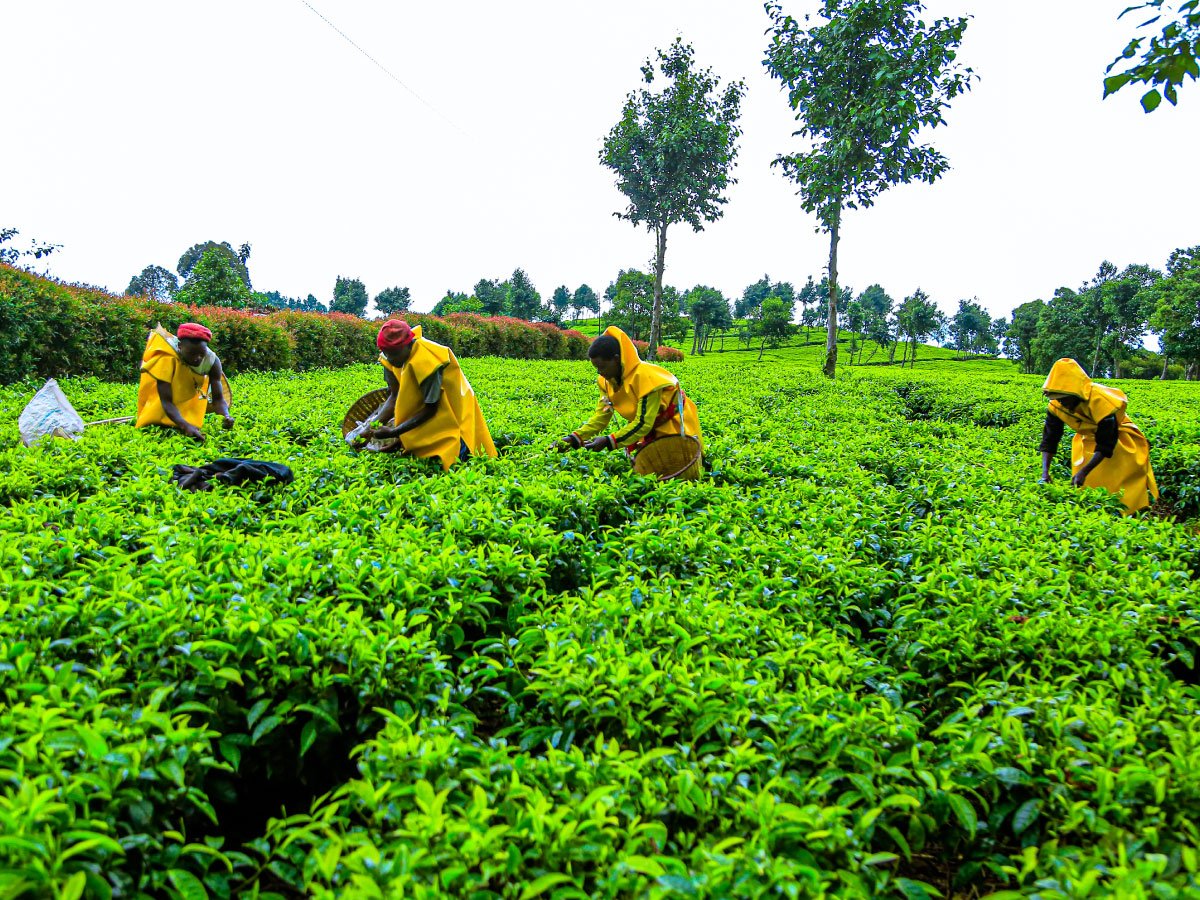
Rwanda is a small country with an outsized reputation for tea. Its gardens sit high in the hills of the west and south, and its teas are increasingly sought by buyers who want traceable, high-grown origin. If you have never imported from Rwanda, the process can look unfamiliar. It isn’t complicated. This guide walks through it in order.
Step 1: Decide What You Are Buying
Before any paperwork, be clear on three things.
- Tea type and grade. Most Rwandan production is black CTC tea, sold in grades such as BP1 and PF1 for tea bags and blending. Orthodox grades (OP, BOP1, FBOP, Pekoe) are produced at Rutsiro Organic for loose-leaf and specialty retail. Our tea grades guide explains each grade and its best market, and our CTC vs orthodox article covers the difference between the two processes.
- Format. Bulk tea for your own blending and packing, or finished retail packs. If you want tea under your own brand, see our private label programme.
- Volume and frequency. A one-off shipment, a seasonal programme or a 12-month supply plan. This shapes both the pricing conversation and the logistics.
Step 2: Choose Your Buying Channel
Rwandan tea reaches the world through two main routes. A large share is sold through the weekly East African tea auction in Mombasa, where buyers bid through registered brokers (read how the Mombasa tea auction works). The alternative is buying direct from the producer, which gives you garden-level traceability and a direct relationship on specification. We compare both in Mombasa vs Direct Trade.
Step 3: Request Samples and Agree a Specification
Samples let you check the cup against your target profile before committing. When you contact a producer, state the grades you want to test, the destination country and your expected volumes. Once a sample is approved, agree the specification in writing: grade, garden or blend, packing format, quantity, price basis (Incoterm) and delivery window. Start with a smaller pilot order if you are new to the origin, then scale.
Step 4: Understand the Export Documents
According to NAEB, a Rwandan tea exporter needs a tea export licence from NAEB, renewed annually. For each shipment, the core documents are:
- Certificate of origin, issued by NAEB. It is also the basis for preferential trade documents.
- Phytosanitary certificate, issued by RALIS (Rwanda Agriculture and Livestock Inspection and Certification Services), confirming the product was inspected and found free of quarantine pests.
- Preferential origin certificates where relevant, issued by Rwanda Revenue Authority customs: EUR.1 for the EU, and COMESA, EAC or GSP certificates of origin for those arrangements.
- Commercial invoice, packing list and bill of lading or air waybill.
Rwandan black and green tea are covered by national standards (RS 31 for black tea and RS 118 for green tea), and NAEB recommends ISO 22000 food safety certification for factories. If your market or customers require specific certifications (organic, Rainforest Alliance, Fairtrade, halal), confirm this at the enquiry stage so the right documents are planned before the order.
A note for EU buyers: tea is not one of the commodities covered by the EU Deforestation Regulation (EUDR), whose scope is cattle, cocoa, coffee, oil palm, rubber, soya and wood. Scope is set in the regulation’s Annex I, so check the current text with your customs adviser.
Step 5: Plan the Logistics
Rwanda is landlocked, so freight is planned in two ways:
- Air freight via Kigali International Airport (KGL) for samples, small or urgent orders.
- Sea freight via the port of Mombasa (Kenya) for larger orders, with the tea moving overland from Rwanda to the coast first.
Agree the Incoterm early, because it decides who books and pays each leg. If you work with a freight forwarder already, share their details. If not, ask the producer for introductions to forwarders who handle Rwandan exports. Our Gulf market guide includes specific notes for shipments to the Gulf.
Step 6: Clear Customs at Destination
Your customs broker will need the commercial invoice, packing list, transport document and certificate of origin, plus any preferential origin certificate to claim reduced duty where available. For organic tea, extra steps apply in the EU and US: see our guide to organic tea from Rwanda, published next week.
A Simple Checklist
- Grade, format and volume defined
- Channel chosen: auction or direct
- Samples approved and specification signed
- Documents agreed, including any certification your market requires
- Incoterm, forwarder and route confirmed
- Customs broker briefed at destination
Ready to start? Send your grades, volumes and destination through our commercial enquiry page.
Frequently Asked Questions
Who regulates tea exports in Rwanda?
The National Agricultural Export Development Board (NAEB). It licenses tea exporters, issues certificates of origin and promotes Rwandan tea abroad.
What documents come with a tea shipment from Rwanda?
Typically a certificate of origin (NAEB), a phytosanitary certificate (RALIS), a commercial invoice, a packing list and a bill of lading or air waybill, plus preferential origin certificates such as EUR.1 where they apply.
How is tea shipped out of Rwanda?
By air from Kigali International Airport for smaller or urgent consignments, and by sea through the port of Mombasa, Kenya, for larger volumes.
Is tea covered by the EU Deforestation Regulation?
No. The EUDR covers cattle, cocoa, coffee, oil palm, rubber, soya and wood. Tea is not on that list, but always check the current Annex I before shipping.
Can I buy Rwandan tea without going through the Mombasa auction?
Yes. Buying direct from the producer is an alternative to the auction and gives you garden-level traceability. Contact the producer with your grades, volumes and destination to start.