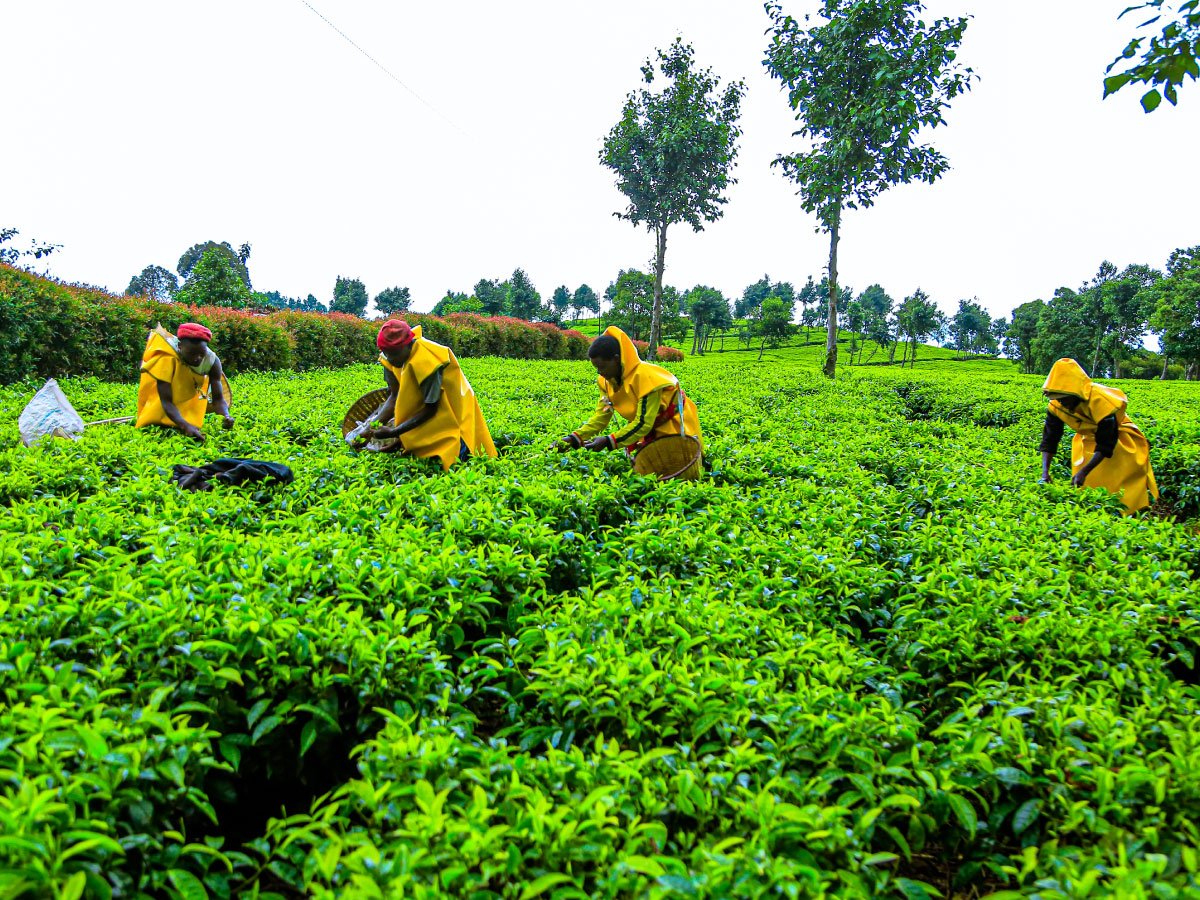
Most of the world’s tea trade still flows east to west, from East Africa to Europe, from South Asia to North America. But one of the most significant shifts underway in the global tea market is happening within Africa itself. And Rwanda Mountain Tea is positioned at the centre of it.
The African Continental Free Trade Area (AfCFTA), the world’s largest free trade area by number of participating countries, is progressively dismantling the tariff barriers that have historically made it more expensive for an African country to import tea from its neighbour than from China.
What AfCFTA Actually Means for Tea
AfCFTA, formally launched in 2021, covers 54 African Union member states and a combined GDP of approximately $3.4 trillion. For agricultural commodities including tea, the agreement commits member states to eliminating or substantially reducing tariffs on intra-African trade over a phased timeline.
According to the African Union’s AfCFTA Secretariat, the agreement aims to increase intra-African trade by over 50% by 2030. For Rwanda Mountain Tea, whose tea currently travels primarily to European, Middle Eastern, and Asian markets via the Mombasa Auction, this creates a new frontier: the continent itself.
The African Tea Market : What the Numbers Show
Africa is not a small market for tea. Several African countries are among the world’s largest per-capita tea consumers.
- Egypt imports over 90,000 tonnes of tea annually, one of the largest tea import markets on earth
- Morocco consumes approximately 60,000 tonnes per year
- Kenya, Ethiopia, Tanzania have significant domestic consumption alongside production
- West Africa : Nigeria, Senegal, Côte d’Ivoire, represents a rapidly growing market for packaged tea
Historically, much of this demand has been served by cheaper commodity teas from India and Sri Lanka, or by Kenyan bulk tea. AfCFTA changes the competitive calculus for Rwandan tea.
Why Rwandan Tea Wins in the African Premium Segment
The African market is not monolithic. In Egypt and Morocco, the dominant preference is strong CTC black tea with milk, a category where Rwanda’s BP1 and PF1 grades from gardens like Kitabi and Gatare are genuinely competitive.
In West Africa’s urban centres : Dakar, Lagos, Abidjan, a growing middle class is moving toward premium and branded tea. Here, Rwanda Mountain Tea’s combination of African origin story, organic certification (Rutsiro), and garden-specific traceability is a brand advantage.
Rwanda Mountain Tea already took a step toward this market in early 2026, when its teas were featured at a tasting event in Dakar hosted by Rwanda’s embassy in Senegal, a moment that demonstrated real continental demand.
RwandAir: The Logistics Advantage
One of the underappreciated advantages in the AfCFTA era is Rwanda’s position as a regional logistics hub. RwandAir operates direct routes to over 25 African cities. Kigali’s Bugesera International Airport is one of Africa’s fastest-growing cargo hubs.
For African buyers, this means smaller trial orders, faster turnaround, and lower freight cost compared to sourcing through Mombasa or Rotterdam. An importer in Lagos or Nairobi can receive a sample shipment from Rwanda Mountain Tea in days, not weeks.
How to Source RMT Tea as an African Buyer
Rwanda Mountain Tea welcomes enquiries from African importers, distributors, and retailers, particularly under AfCFTA frameworks where preferential tariff rates may apply.
The process is straightforward:
- Request samples from your preferred garden mark : CTC or Orthodox, depending on your market
- Review grade specifications and weekly pricing (available on our commercial page)
- Place a trial order, our team handles NAEB export documentation
- Scale on the basis of market response
Contact our commercial team to discuss your market and the grades best suited to it.
Frequently Asked Questions
What is AfCFTA and how does it affect tea imports?
AfCFTA is the African Continental Free Trade Area: a trade agreement covering 54 African Union member states that progressively eliminates tariffs on intra-African trade. For tea, this means African buyers can import from Rwanda at reduced or zero tariff rates compared to sourcing from Asia.
Which African markets is Rwanda Mountain Tea targeting?
RMT is actively developing relationships with buyers in North Africa (Egypt, Morocco), East Africa (Kenya, Ethiopia, Tanzania, Uganda), and West Africa (Senegal, Nigeria, Côte d’Ivoire). The Dakar tasting event in early 2026 was the first formal step in the West Africa push.
What tea grades are best for African markets?
For mass-market tea (strong with milk, teabag format) : BP1 and PF1 from Kitabi and Gatare. For premium and specialty retail, Rutsiro organic orthodox grades.
Does Rwanda Mountain Tea offer direct supply to African buyers?
Yes. RMT sells both through the Mombasa Tea Auction and through direct trade. African buyers within AfCFTA member states may benefit from preferential terms. Contact us to discuss.
What is the minimum order for a trial shipment?
Contact our commercial team for current minimum order quantities. Sample orders are available with no minimum.
How long does shipping take from Rwanda to West Africa?
Via RwandAir cargo from Kigali, delivery to major West African cities typically takes 3–7 days. Sea freight via Mombasa is also available for larger orders.